family tree research

Brazilian Ancestors

How to Find Brazilian Ancestors from Europe?

Researching Brazilian ancestors from Europe involves identifying records that reveal where an ancestor was born, when they migrated, and how they established their lives in Brazil. The most effective approach combines civil records, church records, immigration documents, and probate files. By gathering evidence from both Brazil and Europe, researchers can accurately trace family origins and

How to Find Brazilian Ancestors from Europe? Read More »

Civil vs Church Records in Brazil

Civil vs Church Records in Brazil: What’s the Difference?

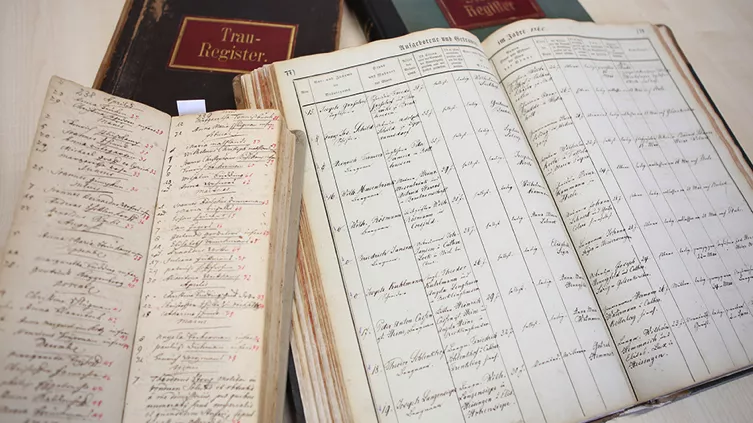
Church records were the main source of vital information in Brazil before 1889, documenting baptisms, marriages, and burials. Civil records, introduced nationwide in 1889, are standardized legal documents covering birth, marriage, and death. While civil records are more consistent and reliable for legal purposes, church records often contain richer family details and are essential for

Civil vs Church Records in Brazil: What’s the Difference? Read More »

How Long Does Genealogy Research Take?

How Long Does Genealogy Research Take?

Genealogy research can take anywhere from a few days to several months or even years. Simple cases, like confirming a direct lineage, may be resolved quickly. More complex research—such as tracing immigrants, locating heirs, or dealing with missing records—requires more time. The timeline depends on record availability, geographic scope, language barriers, and the depth of

How Long Does Genealogy Research Take? Read More »

Find Heirs in South America

How to Find Heirs in South America?

Finding heirs in South America requires combining civil and church records with legal documents such as wills, probate files, and estate inventories. These records identify family relationships and inheritance rights. Researchers often use migration data, population records, and sometimes DNA testing to confirm kinship. In many cases, collaboration with legal professionals is essential to ensure

How to Find Heirs in South America? Read More »

Emigrated to Brazil

How to Research Family Who Emigrated to Brazil?

Researching family who emigrated to Brazil requires combining records from both the country of origin and Brazil. Start with civil and church records in Europe, then track migration through passenger lists and port arrivals. In Brazil, use civil, church, and local records to reconstruct families. Cross-referencing both sides is essential to confirm identities and trace

How to Research Family Who Emigrated to Brazil? Read More »

Genealogy Records

What Is the Difference Between European and Brazilian Genealogy Records?

European genealogy records are typically older, more continuous, and often centralized, with parish registers dating back to the 16th century. Brazilian records are more recent and fragmented, with civil registration starting in 1889 and strong reliance on church records before that. Brazil’s diverse population and migration history also make genealogical research more complex compared to

What Is the Difference Between European and Brazilian Genealogy Records? Read More »

Genealogy in Brazil

What Records Exist for Genealogy in Brazil?

Brazilian genealogy is based on a combination of civil, church, immigration, and archival records. Civil registration began in 1889, while earlier research depends heavily on Catholic parish records. Additional sources such as immigration lists, wills, inventories, newspapers, and notarial documents help reconstruct families, identify heirs, and trace migration patterns. Understanding how these records work is

What Records Exist for Genealogy in Brazil? Read More »