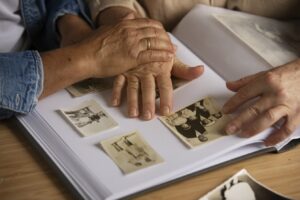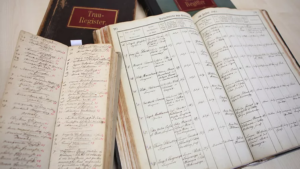
Brazilian genealogy is based on a combination of civil, church, immigration, and archival records. Civil registration began in 1889, while earlier research depends heavily on Catholic parish records. Additional sources such as immigration lists, wills, inventories, newspapers, and notarial documents help reconstruct families, identify heirs, and trace migration patterns. Understanding how these records work is essential for accurate and complete genealogical research in Brazil.
What Are the Main Civil Records for Genealogy in Brazil?
Civil records are the foundation of modern genealogical research in Brazil.
They became mandatory after 1889, following the separation of Church and State.
Key types:
- Birth certificates (Certidão de Nascimento)
- Marriage certificates (Certidão de Casamento)
- Death certificates (Certidão de Óbito)
How they work:
- Created by civil registry offices (cartórios)
- Usually include parents’ names, dates, and locations
- More standardized and reliable than earlier records
Why they matter:
They are essential for:
- Building family trees
- Proving lineage (e.g., for citizenship)
- Confirming identities
What Church Records Exist Before Civil Registration?
Before 1889, most records were created by the Catholic Church.
These are often the only source for earlier generations.
Main church records:
- Baptisms (Batismos) → similar to birth records
- Marriages (Casamentos)
- Burials (Óbitos/Enterros)
How they work:
- Stored in parish archives or diocesan collections
- Often handwritten and in Portuguese or Latin
- May include godparents, witnesses, and family connections
Why they matter:
They allow you to:
- Trace ancestry back to the 16th–18th centuries in some regions
- Identify family relationships not found elsewhere
What Immigration and Travel Records Are Available?
Brazil received millions of immigrants, especially in the 19th and early 20th centuries.
Key records:
- Passenger lists
- Immigration registers
- Passport records
- Naturalization files
How they work:
- Found in national and state archives
- Often include origin, age, occupation, and destination
Why they matter:
They help:
- Connect European ancestors to Brazil
- Identify original hometowns abroad
- Reconstruct migration journeys
What Legal and Notarial Records Can Be Used?
These are some of the most powerful — and underused — genealogical sources.
Key records:
- Wills (Testamentos)
- Inventories (Inventários)
- Notarial deeds (Escrituras públicas)
How they work:
- Created during inheritance or legal processes
- Stored in archives or courts
Why they matter:
They reveal:
- Family structure (spouses, children, heirs)
- Property ownership
- Social and economic status
👉 These records are especially useful when other documents are missing.
What Other Supporting Records Exist in Brazil?
Genealogy in Brazil often requires combining multiple sources.
Additional records:
- Military records → service, drafts
- Land records → ownership, transfers
- Cemetery registers → burial data
- Newspapers → obituaries, announcements
- Local histories and books
- Archival collections (public and private)
Why they matter:
They help:
- Fill gaps in official documentation
- Confirm identities and timelines
- Add historical context to families
Are Census Records Available in Brazil?
Census records exist, but they are limited compared to countries like the US or UK.
Key facts:
- Some historical censuses were lost or are incomplete
- Not all are publicly accessible
- Coverage varies by region and period
What to expect:
- Useful in specific cases
- Not a primary source for most research
How Do These Records Work Together in Genealogy?
No single record tells the full story.
Genealogical research in Brazil works by combining multiple sources:
- Civil records → confirm identity
- Church records → extend lineage
- Immigration records → trace origins
- Legal documents → reveal relationships
Example:
A birth record may list parents,
but an inventory may list all siblings and heirs.
👉 This layered approach is essential for accurate results.
Mini FAQ
What is the most important record in Brazilian genealogy?
Civil birth, marriage, and death records are the foundation after 1889. Before that, church records are essential.
Are Brazilian genealogy records reliable?
Yes, especially civil records. Church records are also reliable but may require interpretation due to handwriting and language.
Where are Brazilian genealogy records stored?
They are found in civil registry offices, churches, state archives, national archives, and online platforms.
Can I trace ancestry in Brazil without church records?
Only for recent generations. For earlier periods, church records are often indispensable.
Why are wills and inventories important in genealogy?
They identify heirs and family relationships, often revealing details not found in other records.
Conclusion
Brazil offers a rich but complex set of genealogical records. Success depends on understanding how civil, church, immigration, and legal documents connect. When used together, these sources allow researchers to reconstruct families across generations and continents.
If you are researching Brazilian ancestry from abroad, working with a specialist can significantly improve accuracy and speed.
Updated in: April/2026