genealogy methodology

Civil vs Church Records in Brazil

Civil vs Church Records in Brazil: What’s the Difference?

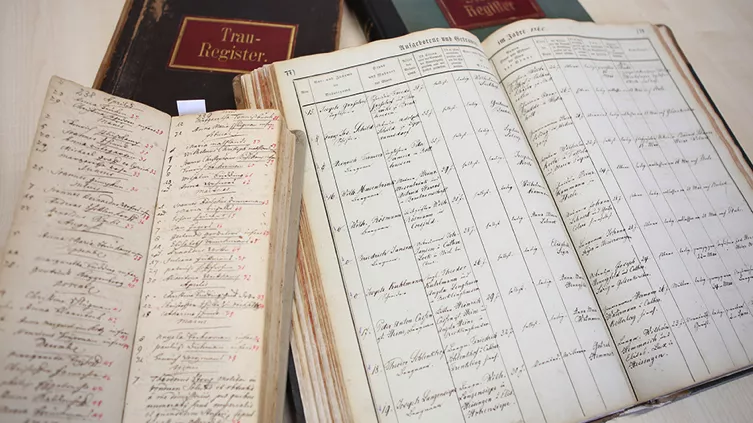
Church records were the main source of vital information in Brazil before 1889, documenting baptisms, marriages, and burials. Civil records, introduced nationwide in 1889, are standardized legal documents covering birth, marriage, and death. While civil records are more consistent and reliable for legal purposes, church records often contain richer family details and are essential for

Civil vs Church Records in Brazil: What’s the Difference? Read More »

How Long Does Genealogy Research Take?

How Long Does Genealogy Research Take?

Genealogy research can take anywhere from a few days to several months or even years. Simple cases, like confirming a direct lineage, may be resolved quickly. More complex research—such as tracing immigrants, locating heirs, or dealing with missing records—requires more time. The timeline depends on record availability, geographic scope, language barriers, and the depth of

How Long Does Genealogy Research Take? Read More »

Genealogy Records

What Is the Difference Between European and Brazilian Genealogy Records?

European genealogy records are typically older, more continuous, and often centralized, with parish registers dating back to the 16th century. Brazilian records are more recent and fragmented, with civil registration starting in 1889 and strong reliance on church records before that. Brazil’s diverse population and migration history also make genealogical research more complex compared to

What Is the Difference Between European and Brazilian Genealogy Records? Read More »

Genealogy Research

Why Does Genealogy Research Fail?

Genealogy research often fails due to incomplete data, incorrect assumptions, and lack of proper methodology. Common issues include name variations, missing records, and ignoring historical context. Another major cause is relying on a single source instead of cross-checking multiple records. Without structured analysis and proper documentation, conclusions can be inaccurate or incomplete. Understanding these risks

Why Does Genealogy Research Fail? Read More »