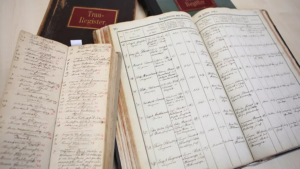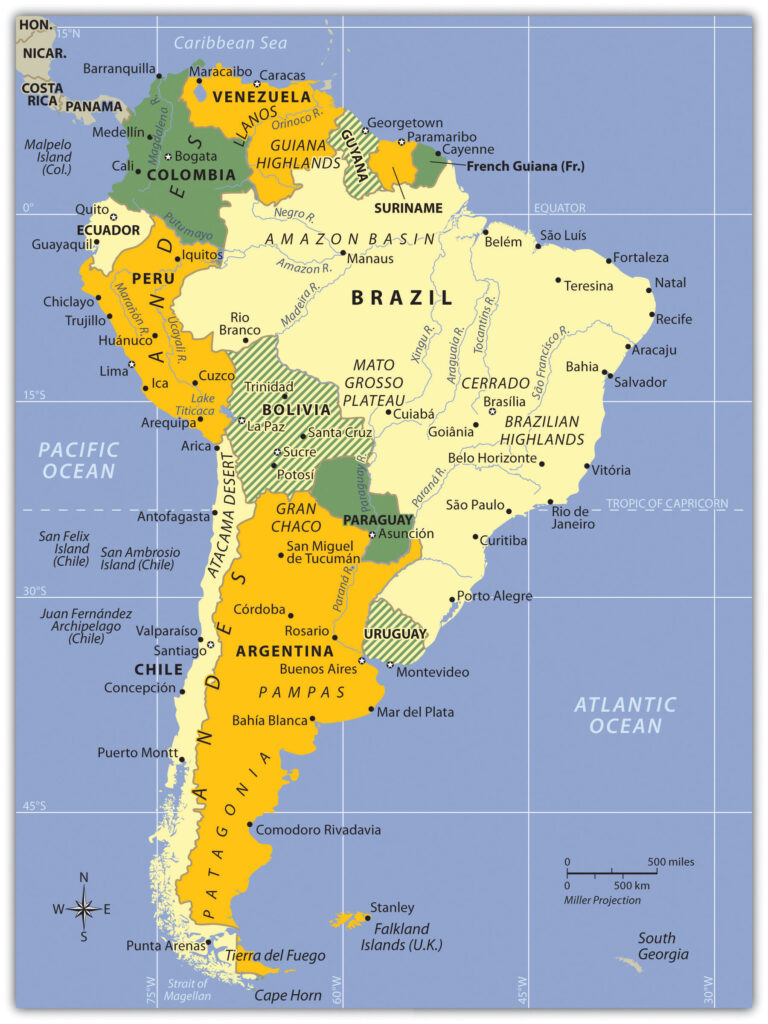
Finding heirs in South America requires combining civil and church records with legal documents such as wills, probate files, and estate inventories. These records identify family relationships and inheritance rights. Researchers often use migration data, population records, and sometimes DNA testing to confirm kinship. In many cases, collaboration with legal professionals is essential to ensure accuracy and compliance with inheritance laws.
What Does “Finding Heirs” Mean in Genealogy?
Heir research is the process of identifying living relatives entitled to inherit assets.
What it involves:
- Reconstructing family trees
- Identifying descendants of a deceased person
- Proving legal relationships
Why it matters:
- Used in inheritance and probate cases
- Helps distribute assets correctly
- Prevents disputes over ownership
Use case: Common in legal cases where no direct heirs are known.
Which Records Are Most Important to Identify Heirs?
Heir research depends on combining multiple record types.
Core records:
- Civil records (birth, marriage, death)
- Church records (baptisms, marriages, burials)
Legal records (critical):
- Wills (testamentos)
- Probate files
- Estate inventories (inventários)
Why they matter:
- Civil and church records build the family structure
- Legal records explicitly list heirs and relationships
Key insight: Inventories and probate files are often the most direct proof of inheritance rights.
How Do Probate and Estate Records Help Find Heirs?
These are the most powerful documents in heir research.
What they include:
- Names of heirs
- Relationship to the deceased
- Division of assets
- Family hierarchy
How they work:
- Created during legal proceedings after death
- Stored in courts or archives
Practical example:
An inventory may list:
- Spouse
- Children
- Sometimes extended relatives
Purpose: Confirms who legally inherits and how they are connected.
How Can You Trace Heirs Across Generations?
Finding heirs often requires reconstructing multiple generations.
Steps:
- Identify the deceased person
- Locate children through birth and marriage records
- Trace descendants forward (grandchildren, etc.)
- Confirm identities with multiple sources
Tools used:
- Civil and church records
- Census or population data (where available)
- Migration and immigration records
Important: Each generation must be verified before moving to the next.
What Role Do Migration and Population Records Play?
South America has a strong history of migration.
Key records:
- Immigration lists
- Internal migration records
- Population registers (limited but useful)
Why they matter:
- Heirs may have moved to different regions or countries
- Helps track family members who left the original area
Example: A descendant may have migrated from Brazil to Argentina or vice versa.
Can DNA Testing Help Identify Heirs?
Yes, DNA can be used in complex cases.
How it works:
- Compares genetic matches between individuals
- Identifies biological relationships
When to use it:
- Missing or incomplete records
- Unknown parentage
- Disputed inheritance cases
Benefits:
- Confirms relationships when documents are unclear
Risks:
- Requires interpretation
- Must be combined with documentary evidence
Best use: Supporting evidence, not a standalone solution.
Why Is Legal Collaboration Important in Heir Research?
Heir identification is often part of legal proceedings.
Who is involved:
- Lawyers
- Courts
- Notaries
Why it matters:
- Ensures findings meet legal standards
- Required for probate and inheritance cases
- Validates documentation
Use case: Essential when heirs must be legally recognized to claim assets.
What Are the Main Challenges in Finding Heirs in South America?
Heir research in this region can be complex.
Common challenges:
- Fragmented or incomplete records
- Name variations
- Geographic mobility of families
- Limited indexing of archives
How to overcome:
- Combine multiple record types
- Use flexible search strategies
- Verify information across sources
Key principle: No single record is enough—evidence must be correlated.
Mini FAQ
What is the most important record to find heirs?
Estate inventories and probate records are the most direct sources because they list heirs and relationships.
Can heirs be found without wills?
Yes, by reconstructing the family through civil and church records.
How long does heir research take?
It can take weeks to months, depending on complexity and record availability.
Is DNA testing required to find heirs?
Not always, but it can help in complex or uncertain cases.
Who needs heir research services?
Lawyers, estates, and individuals dealing with inheritance or missing relatives.
Conclusion
Finding heirs in South America requires a structured and multi-source approach. By combining civil, church, and legal records—along with migration data and, when necessary, DNA analysis—it is possible to identify and confirm rightful heirs.
If you are dealing with a complex inheritance case, working with a specialist can ensure accuracy, legal compliance, and reliable results.
Updated in: June/2026