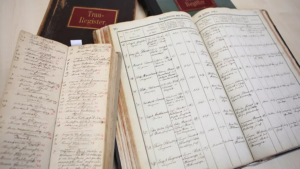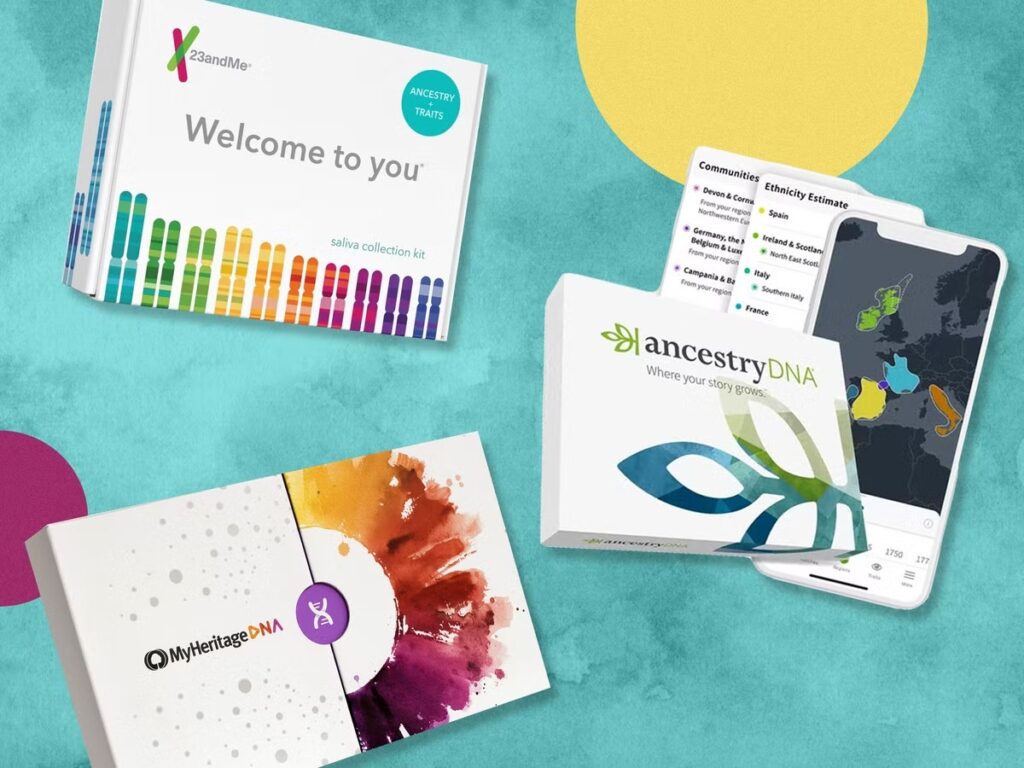
DNA testing helps identify unknown relatives by comparing shared genetic segments between individuals. These matches reveal possible relationships and common ancestors. Techniques such as triangulation, cluster analysis, and segment evaluation refine these connections. However, DNA alone is not enough—combining genetic results with traditional records is essential to confirm identities and avoid false conclusions, especially in recent generations.
How Does DNA Testing Identify Relatives?
DNA tests compare your genetic data with others in a database.
How it works:
- You submit a DNA sample (usually saliva)
- The company analyzes your DNA
- It finds people who share DNA segments with you
What shared DNA means:
- The more DNA you share, the closer the relationship
- Measured in centimorgans (cM)
Example:
- High shared DNA → likely close relative (parent, sibling)
- Low shared DNA → distant cousin
Purpose: Identify biological connections based on inherited DNA.
What Are DNA Matches and How Should You Interpret Them?
DNA matches are individuals who share genetic segments with you.
What they show:
- Estimated relationship range
- Amount of shared DNA
- Sometimes shared family trees
Important note:
DNA does not give exact relationships, only probabilities.
Example:
A match could be:
- 2nd cousin
- 3rd cousin
- Or another similar relationship
Who should use this: Anyone trying to identify unknown relatives or confirm family connections.
What Is Triangulation and Why Is It Important?
Triangulation is a key technique in DNA genealogy.
How it works:
- You compare DNA segments between three or more people
- All must share the same segment
Why it matters:
- Confirms that the shared DNA comes from a common ancestor
- Reduces the risk of false matches
Simple example:
If you and two matches share the same DNA segment → likely connected through the same family line.
Benefit: Stronger evidence for identifying relationships.
What Is Cluster Analysis in DNA Research?
Cluster analysis groups DNA matches into related families.
How it works:
- Matches are grouped based on shared DNA connections
- Each cluster often represents one ancestral line
Why it matters:
- Helps separate maternal and paternal lines
- Makes large match lists easier to understand
Example:
One cluster may represent your maternal grandparents, another your paternal line.
Use case: Organizing complex DNA results.
How Do You Evaluate DNA Segments?
Not all DNA matches are equally useful.
Key factors:
- Size of shared segments
- Number of segments
- Location on chromosomes
Why it matters:
- Small segments may be false matches
- Larger segments are more reliable
Practical tip:
Focus on:
- Matches with higher shared DNA
- Consistent segments across multiple individuals
Risk: Misinterpreting small or random matches.
Why Must DNA Be Combined with Traditional Records?
DNA alone cannot prove identity.
What records provide:
- Names
- Dates
- Locations
- Family relationships
How they work together:
- DNA suggests a connection
- Records confirm it
Example:
DNA shows a match →
Birth and marriage records confirm the family link.
Key principle: DNA builds hypotheses; documents prove them.
What Are the Main Challenges in Using DNA for Genealogy?
DNA research is powerful but not simple.
Common challenges:
- False matches (especially small segments)
- Misinterpreting relationship estimates
- Lack of family trees for matches
- Privacy and data limitations
How to manage:
- Focus on strong matches
- Use multiple tools and methods
- Always validate with records
Who should be careful: Beginners and those relying only on DNA results.
When Should You Use DNA to Identify Unknown Relatives?
DNA is especially useful in complex cases.
Ideal situations:
- Unknown parentage
- Adoption cases
- Missing family connections
- Conflicting documentary evidence
When not enough alone:
- When records are available and sufficient
Best use: Complementing traditional genealogy, not replacing it.
Mini FAQ
Can DNA testing identify exact relationships?
No, it provides estimates. Exact relationships require confirmation with records.
What is the most reliable DNA match?
Close relatives with high shared DNA (e.g., parent, sibling, first cousin).
Can DNA replace traditional genealogy research?
No, it must be combined with documents to confirm relationships.
What is a false DNA match?
A match that appears related due to small shared segments but has no real genealogical connection.
Who benefits most from DNA genealogy?
People with unknown relatives, adoption cases, or complex family histories.
Conclusion
DNA testing is a powerful tool for identifying unknown relatives, but it works best when combined with traditional genealogical research. By using techniques like triangulation and cluster analysis—and validating findings with records—you can build accurate and reliable family connections.
If your case involves complex or uncertain relationships, working with a specialist can help interpret DNA results and confirm them with proper evidence.
Updated in: May/2026